Table of Contents
If you ever discover on your own believing, "I'm doing it incorrect," try reminding yourself that "there's no right or incorrect way of grieving."In addition, there's no particular order for the stages of despair. Our very first psychological response to loss could be rage and depression. This does not indicate that we're not regreting properly.
And our feelings can come in waves of strength. Many individuals obtain frustrated with themselves since they assume they're regreting too long.
It depends on the individual, and it depends on the loss. And keep in mind that there's never a time when we're completely "done" with grief; we just discover how to make changes to the loss.
Sorrow is a complex procedure that varies from one person to another. The 5 stages of pain denial, rage, bargaining, clinical depression, and acceptance are a useful framework for thinking of sorrow, but it doesn't imply we'll experience every stage. We can experience these aspects of grief at various times, and they don't occur in one specific order.
The Influence of Ancestral Wounds on Success Patterns

You just went through a break up. You lost your job. You're unable to acquire the objective you've been pursuing. Think it or otherwise, all of these are some type of sorrow or the experience of dealing with loss. As we work our means with experiences like these, we're most likely to undergo different phases or feelings from denial and anger to sadness and bitterness.
We'll also look at usual misunderstandings about sorrow and tips for taking care of loss. Let's dive in. Before we study the 5 stages of grief, it's handy to recognize what sorrow is. Basically, grief is the experience of managing loss. And it's experienced by everyone in a distinctly personal way.
Sorrow can additionally originate from any type of modifications we experience in life, such as relocating to a new city or school or transitioning right into a brand-new age group. The truth is that we all experience a specific level of pain throughout our lives. While some losses are extra intense than others, they are no less actual.
The Connection Between Complex Trauma and Excellence-Seeking
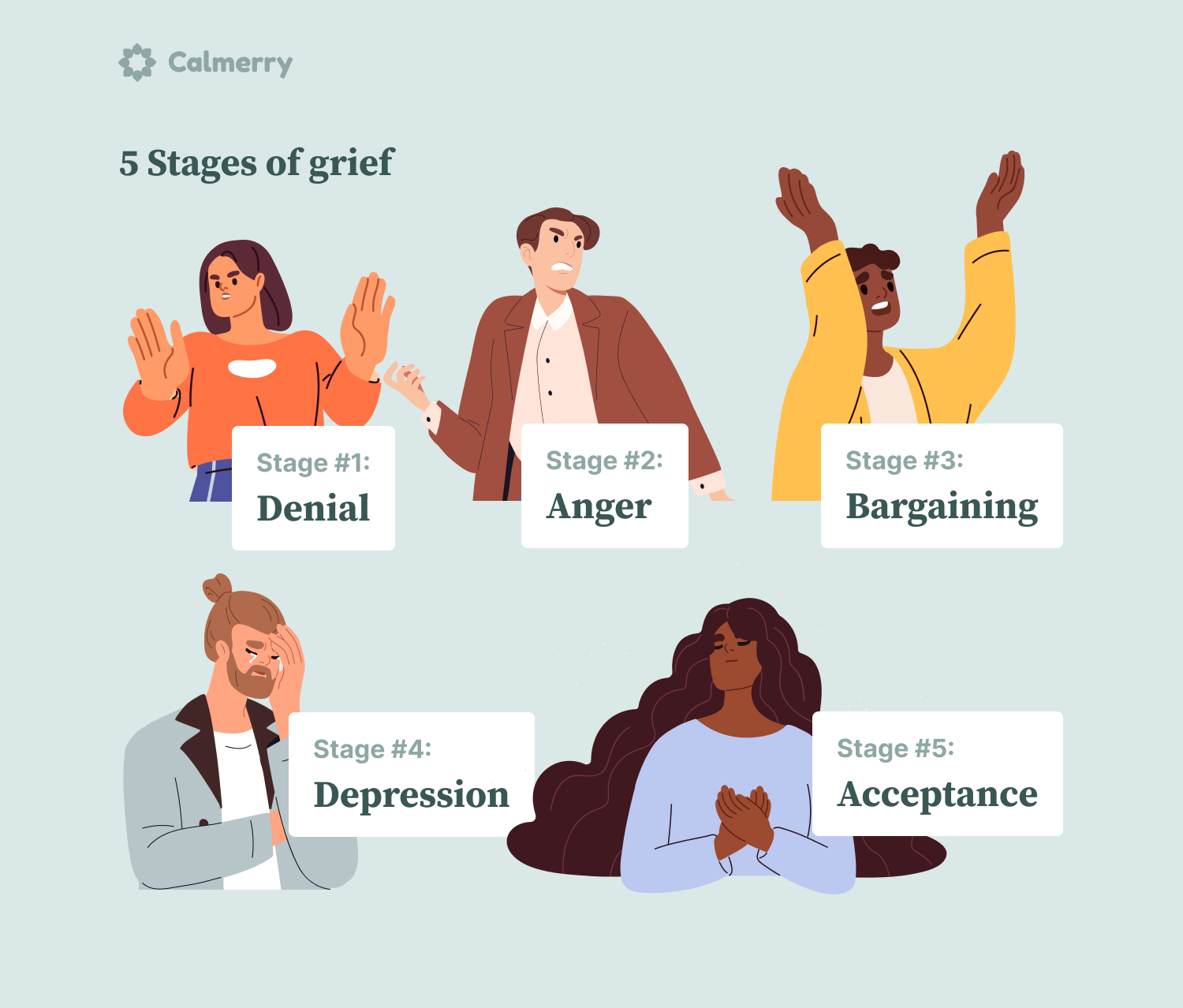
Lots of scientists have actually dedicated years to studying loss and the emotions that accompany it. Among these experts was Elisabeth Kubler-Ross, a Swiss-American psychiatrist. She spoke with over 200 people with incurable diseases and recognized 5 usual stages individuals experience as they come to grips with the truths of their upcoming fatality: denial, rage, bargaining, anxiety, and acceptance.
Kubler-Ross's job focused on pain actions from people who are passing away, many of these stages can be applied to despair across any kind of kind of loss. We could really feel like we accept the loss at times and after that move to one more phase of grief once more.
The Clinical Foundation Validating EMDR Therapy for Healing
In a similar way, just how much time we spend browsing these stages varies from person to individual. It may take us hours, months, or longer to refine and heal from a loss. With that said in mind, let's take a better consider each of the five phases of sorrow: For several individuals, rejection or claiming the loss or adjustment isn't happening is often the very first response to loss.
Numerous people will additionally experience temper as component of their despair. In other words, rage is a method to hide the lots of emotions and pain that we're carrying as an outcome of the loss or adjustment.
Even though our sensible mind comprehends they're not to criticize, our feelings are intense and can easily bypass sensible reasoning. While we commonly believe that rage is a negative emotion and something to be prevented at all expenses, it really serves a purpose and is a necessary component of recovery.
Negotiating is a phase of grief that helps us hold onto hope throughout extreme emotional pain. It's an attempt to assist us reclaim control of a scenario that has actually made us feel extremely at risk and helpless. It's additionally an additional way to help us hold off needing to deal straight with the sadness, confusion, or pain.
Selecting the Ideal Therapist in Your Area for Professional Therapy
Anxiety is frequently likened to the "silent" stage of pain, as it's not as energetic as the rage and bargaining phases. This can lead to extreme sensations of unhappiness, despair, and despondence. Signs and symptoms of anxiety can materialize themselves in different ways. For instance, we could really feel foggy, hefty, fatigued, confused or sidetracked.
Simply like the other stages of sorrow, depression is experienced in various means. Instead, it's an all-natural and proper reaction to sorrow.
Rather, As an example, if we're regreting the death of a loved one, we could be able to reveal our thankfulness for all the remarkable times we invested with them. Or if we're experiencing a break up, we could state something like, "This really was the very best point for me." In this stage, we could end up being much more comfortable getting to out to friends and family, and we could also make brand-new relationships as time goes on.
Right here are three common misconceptions concerning regreting that we might believe when we consider our very own or another person's means of grieving: Among the most common false impressions regarding grieving is that every person experiences it in the exact same way. As we've established, regreting is a distinct journey that is various for every person.
High-Functioning Depression Behind the Facade of Success
"Furthermore, there's no certain order for the phases of despair. Our first psychological response to loss may be temper and depression.
And our feelings can come in waves of intensity. Several individuals get discouraged with themselves since they believe they're regreting as well long.

Navigation
Latest Posts
Exploring Parent Therapy in Napa, CA: An Detailed Resource
The Hidden Reality of High-Level Performance
Your Exploration Through Dynamic Psychotherapy and Personal Growth