Table of Contents
Having professional anxiety is various than simply feeling sad. To be detected with clinical depression, symptoms should be existing for two weeks or more.
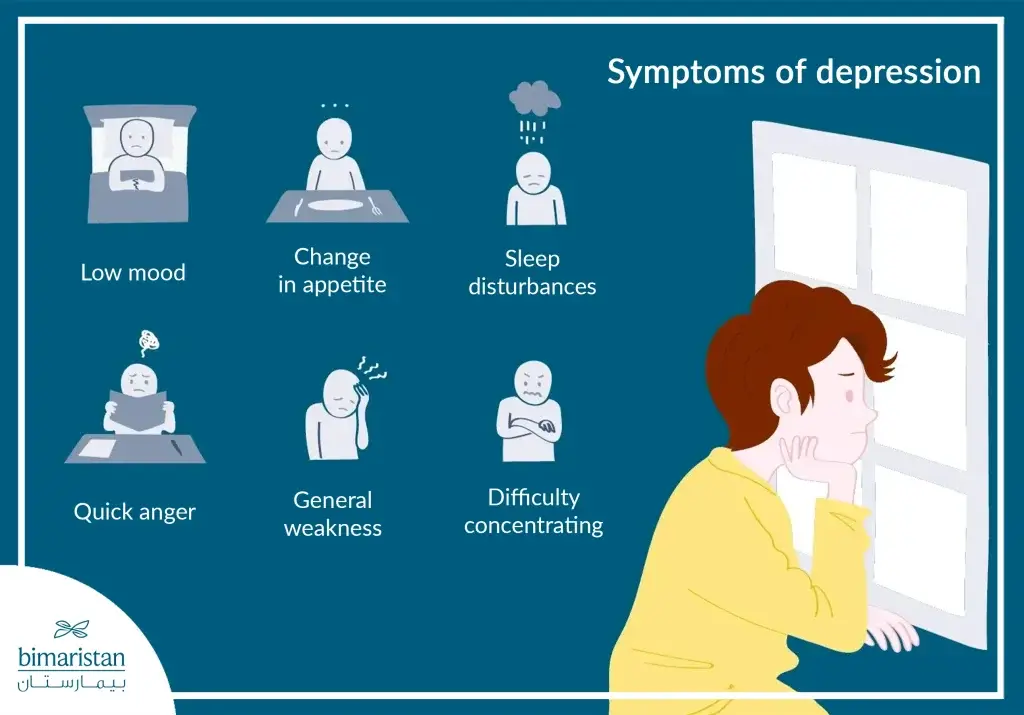
From person to person the severity and frequency of signs and symptoms will differ, and while some people only experience a couple of signs, others experience many. Consistent depressing, nervous, or "vacant" state of mind Really feeling helpless Feeling worthless Angry outbursts, irritation, or irritation Loss of passion or satisfaction in hobbies and tasks Thinking absolutely nothing is worth trying Thinking of death, or that life is not worth living Absence of power Moving or chatting slower than common Problem with focus, focus, memory, and choice making Really feeling uneasy or having problem sitting still Hunger or weight changes Trouble resting, early-morning awakening, or resting much more or a lot less than regular Aches or discomforts, migraines, pains, or digestive system problems without a clear physical reason Although anxiety is just one of the most usual psychological problems in the United States, there is no exact well-known source of depression.
Understanding Developmental Trauma Guides Treatment
Danger aspects for depression consist of: Inherited attributes, personal or household background of clinical depression Environmental variables, like significant life modifications, injury, or stress Mental aspects Particular physical health problems and medications Biological differences, brain chemistry, or hormonal agents The most reliable treatment for depression is medicine and psychiatric therapy. The earlier that anxiety is dealt with, the easier it is to treat.
Speaking with a psychoanalyst, psycho therapist or various other mental wellness expert, can be extremely useful for individuals with depression. Drugs to deal with clinical depression are called antidepressants. There are many kinds of antidepressants that do different points in the mind, like boost just how the mind utilizes certain chemicals, or stabilize your mood.
Self-Acceptance Enhanced by Therapy in Dubai
Some instances of antidepressants are: Selective serotonin reuptake preventions (SSRIs) Serotonin-norepinephrine reuptake inhibitors (SNRIs) Atypical antidepressants Tricyclic antidepressants Monoamine oxidase preventions (MAOIs) Yes, you can have anxiety and clinical depression at the exact same time. They are two different and distinct psychological health problems, they typically take place concurrently. Sometimes, somebody can have both a stress and anxiety disorder and a major depressive disorder.
In various other instances, anxiety may cause anxiousness. They are 2 related state of mind problems, and regularly there is some level of overlap. Yes, there is a distinction in between stress and anxiety and anxiety medicine. There are anti-anxiety medicines specifically for dealing with stress and anxiety symptoms, and antidepressants specifically for dealing with clinical depression signs. One sort of medication that has shown to be efficient in dealing with anxiety and anxiety are careful serotonin reuptake inhibitors (SSRIs).
How Trauma Impacts Depression
Various other drugs that can deal with anxiousness and depression include tricyclic antidepressants (TCAs), careful norepinephrine reuptake preventions (SNRIs), and anti-anxiety drugs. Treatment can be a helpful device for people with anxiousness and anxiety. Cognitive behavior therapy (CBT), has shown to be one of one of the most efficient kinds of treatment. For both anxiousness and depression, CBT involves chatting with behavior patterns, and aids to instruct individuals with these mental diseases how to take care of symptoms.
The bulk of treating anxiety and depression with treatment is overlapping. Making use of evidence-based techniques certain to the therapy of mood disorders, like CBT, and consistently speaking to a specialist will certainly aid those with anxiousness, anxiety, or both, make noticeable improvements.
Communication Issues in Past Trauma
Psychological wellness is made complex. While experts have actually developed particular diagnoses for various sorts of problems, the reality is that lots of disorders have a lot of overlap, which can make it relatively tough to distinguish in between two separate issues. Among one of the most common concerns that people have is attempting to tell the difference in between anxiety and anxiety.
While it would certainly be terrific if there were a fool-proof way of telling you whether you have anxiety or clinical depression, it's not rather that easy. One individual can quickly have both anxiety and depression, and some individuals might have established depression signs and symptoms as a result of their anxiousness condition. It's a little bit harder than saying "you have anxiousness" or "you have clinical depression" because it's feasible to have combinations of both.
Symptoms of one or the various other might hemorrhage into whichever disorder you have, due to the fact that both share similar reasons, concerns, and so on. The finest method to recognize the difference between the two conditions is with the main symptoms, beginning with the psychological symptoms. Anxiousness: Apprehension over what will take place and what can take place in the future.
Intimacy and Trust Issues Related to Childhood Trauma
Seeming like you need to flee or avoid points that can create further anxiety. Depression: Feeling of sadness regarding the future, as though it's helpless. Laziness, and an absence of idea that positive points will certainly take place. Little worry, but instead an assurance of future adverse emotions. Possible self-destructive thoughts.
Those with anxiety commonly presume a poor future and don't expect anything else or believe there's anything worth preventing. Anxiety can occur after a person experiences anxiety, because somebody that deals with severe anxiety may end up really feeling drained pipes and helpless as soon as their anxiousness or anxiousness attack mores than. That's why the two conditions can be tough to distinguish.
Both anxiousness and clinical depression can leave you really feeling drained and worn down. In the situation of anxiety, it often tends to occur after extreme anxiety, while with clinical depression it tends to be much more constant, without necessarily any triggers.
Physical signs that look like health and wellness disorders, especially if accompanied with wellness concerns. Clinical depression: Extreme absence of power or drive. Anxiety in fact often tends to have less physical signs and symptoms, yet the mental symptoms can be so harmful (specifically the capacity for suicidal thoughts) and the lack of power so articulated that lots of individuals with anxiety deal with extreme struggles daily that absolutely competing the signs of stress and anxiety.

Navigation
Latest Posts
Exploring Parent Therapy in Napa, CA: An Detailed Resource
The Hidden Reality of High-Level Performance
Your Exploration Through Dynamic Psychotherapy and Personal Growth