Table of Contents
This is not meant to be an exhaustive listing yet is designed just to offer you a sense of what analytical psychology is all about. The individual unconscious stands for everything within the individual's subconscious that is unidentified to them. One of the distinct features of depth psychology is that it recommends multiple levels of the unconscious.
For Jung, the collective subconscious is a repository of prehistoric pictures (archetypes) and behavioral patterns that are universal (cross-cultural) and old-time. Jung thought about these images "cumulative" because they were not acquired by people in their lifetime. That is, the archetypes within the cumulative subconscious didn't represent discovered actions. Yet, they were easily accessible to all.
The psyche stands for the totality of one's being, consisting of the body, mind, impulses, heart, and spirit. For Jung, there was a personal subconscious related to the person's character and lived experiences, and a cumulative psyche shared by all.
How Holistic Approaches Transforms
Each of us has a dominant function and a substandard function. Your is your key methods of examining details. Your is the opposite of your leading feature; it represents your weakest muscle mass in terms of refining details.
These primitive photos represent the set patterns of actions located in the collective subconscious. Archetypes represent semi-autonomous subpersonalities within the mind that affect most human habits.
Why Safety Is Foundational in Trauma Recovery
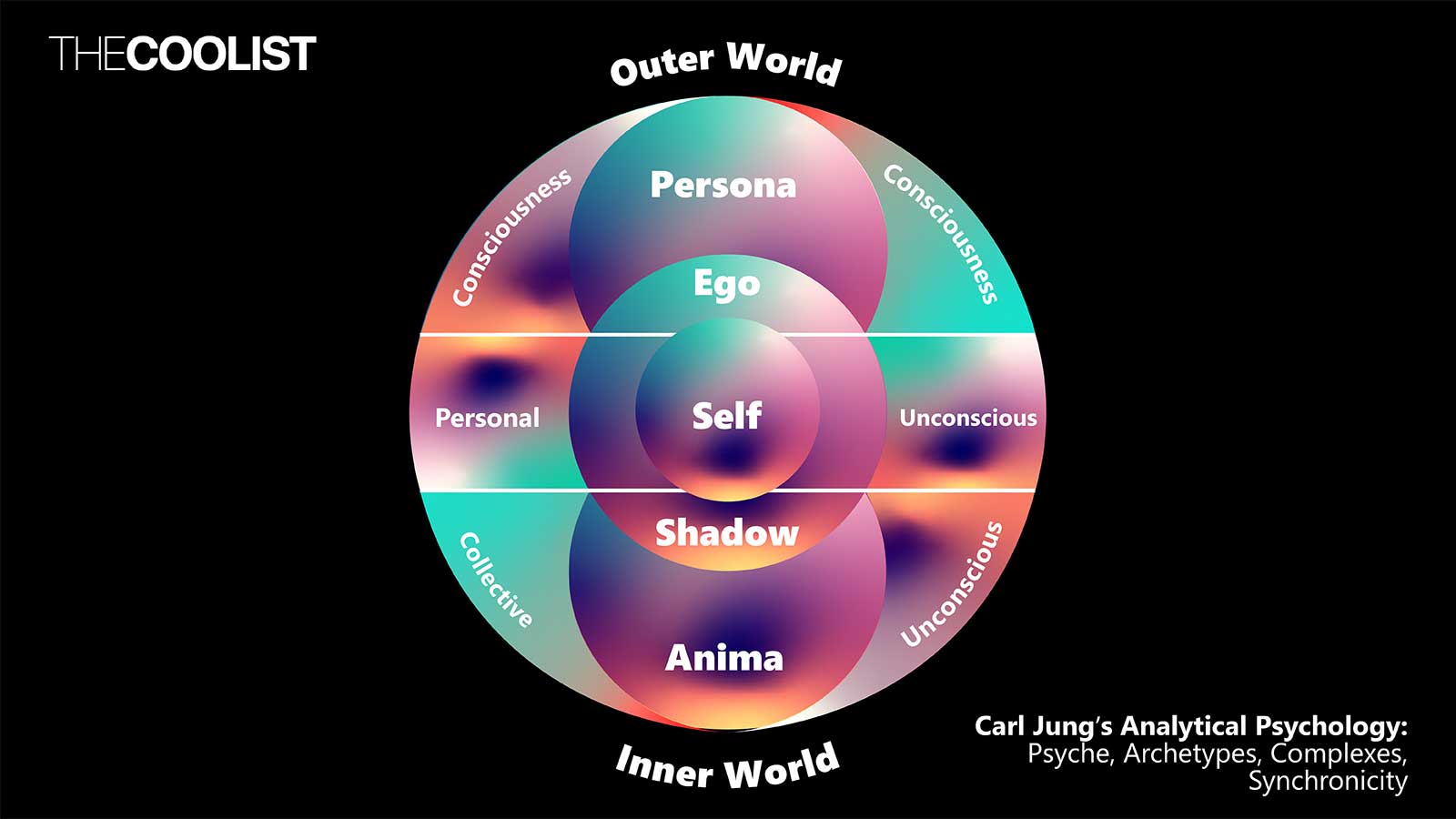
See: and While the archetypes are global and impersonal, the complexes are entirely individual. An individual facility is a cluster of emotions based on the individual's previous experiences.
The shadow represents every little thing the private divorces or cuts off from themselves in very early growth. Getting to understand and incorporating the darkness is a crucial first action in one's individuation.
Payment Considerations for EMDR Treatment in Auburn, CA
Jung saw the anima-animus as jazzing up spirits or spirits within males and females. These archetypes play an essential role in a person's life, especially in their main connection. For Jung, anima and animus are necessary structure blocks in the psychic framework of every man and female. Incorporating the anima-animus is concentrated on after incorporating one's darkness.
In the situation of C.G. Jung's analytical psychology, both primary approaches are: Desire analysis Active imagination The key goal of depth psychology is to develop consciousness so the person can bring the subconscious to awareness to achieve psychic wholeness. Individuals (the analysands) satisfy with their expert typically weekly.
Dream analysis (or "dream job") was the central approach for disclosing the mind in Jung's logical method. For Jung, fantasizes given a means for us to bridge the space in between our conscious mind and our unconscious. He viewed desires as a sort of love letter from the subconscious. In analysis, the patient (analysand) recalls a particular dream or series of dreams, and afterwards the expert asks penetrating questions to go deeper right into the desire's definition.
Jung utilized energetic creativity to increase his desire evaluation. See: Most of the guides linked above consist of a "reading listing" for those that intend to check out these ideas in higher information. Right here, I'll highlight a couple of great "entrance factors" to this work: Memories, Dreams, Representations by C.G. Jung The Portable Jung edited by Joseph Campbell Individuation in Fairy Stories by Marie-Louise von Franz The Shadow and Wickedness in Fairytale by Marie-Louise von Franz Because 2014, I have actually been releasing thorough guides on this internet site.
Establishing the Safe Working Relationship

Along with the overviews provided above, see likewise: Estimate is a crucial concept in psychoanalytic theory. This guide, motivated by Jungian Robert A. Johnson's outstanding book Inner Gold, highlights just how we commonly predict the very best parts of ourselves onto others (and exactly how we can take them back). The conscious mind (or ego) typically withstands inner processes like shadow work.
This extensive guide checks out the archetype of the Everlasting Youngster. Outstanding pointers for newbies and experienced experts throughout a variety of Jungian-related subjects.
Archetypes have additionally been significant fit faiths and practices. The concept of the Messiah or the Hero in Christianity can be seen as an archetypal number standing for the hero that saves humankind from experiencing and evil. The idea of the Wise Old Man, standing for wisdom and guidance, appears in different spiritual and spiritual practices.
Success Rates for Depression therapy
The use of archetypes in New Age practices is commonly related to the idea in the interconnectedness of all beings and the concept of a cumulative awareness that goes beyond private identities. These ideas are not viewed as means to do magic or see the future. They ar viewed as allegories with wich we could gain an outsider perspective to undertand ourselves.
Jung, a Swiss psychiatrist and psychoanalyst, presented the principles of the subconscious mind, archetypes, and the collective unconscious. Jung's letter to Expense W, dated January 30, 1961, began by acknowledging the relevance of AA in assisting people having a hard time with alcoholism.

Navigation
Latest Posts
Healing Complex Trauma Using Integrated Therapies for Growth
Helping Adult Survivors by Utilizing Adult Therapy in Online California Counseling
Finding Professional Support for Your Needs