Table of Contents
Sorrow is a complex procedure that differs from one person to another. The five phases of grief rejection, temper, bargaining, depression, and approval are a helpful framework for thinking of despair, but it does not imply we'll go with every stage. We can experience these elements of grief at various times, and they do not take place in one specific order.

This site utilizes cookies to aid personalise web content, tailor your experience and to keep you visited if you register. By proceeding to use this site, you are granting our use of cookies.
The 7 phases of sorrow are a template for exactly how an individual may grieve. This intermittent structure is meant to help you better recognize your feelings and is not planned to prescribe how you should grieve, what you need to be feeling, or in which order. Every person regrets differently. Each phase may reoccur or overlap the others.
If you wish to discover more about your individual grieving procedure, it's a great concept to get to out to a relied on mental health and wellness specialist to comprehend yourself far better and develop proper coping techniques. Discover more about the seven phases of grief. Sorrow can be a tough and untidy procedure. When a loss happens, among the initial things you may experience is shock.
Professional Exhaustion in Healthcare
That's because no one can ever before be truly prepared for a loss so substantial. Many of the time, this is since your body has actually not refined the loss.
These feelings and experiences are self-protective mechanisms that serve as a barrier to ensure that you are not overwhelmed simultaneously. Since the death of a liked one can have such a significant effect on you, you could experience denial. Throughout this phase of pain, it is simply also difficult for your mind to comprehend that your relative, good friend, or other loved one is gone.
As you gradually start to approve the loss and what it implies for your life now, your rejection will certainly start to decrease. You might have a broader range of sensations and feelings when denial disappears. Up until then, you might have durations when you really feel distressed, which can be set off by suggestions of your loved one.
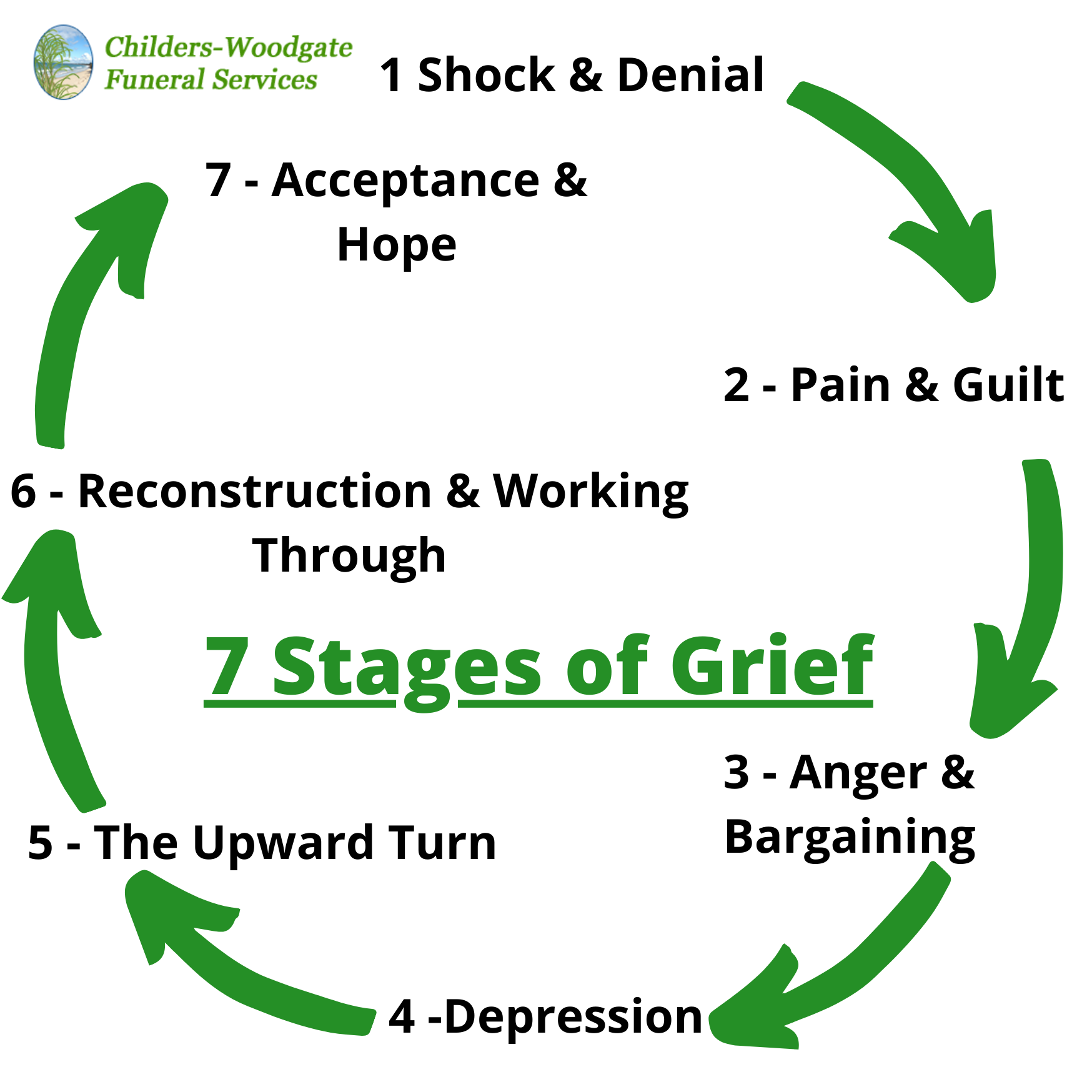
In many cases, it's a normal sensation to intend to stay clear of others to make sure that you do not need to acknowledge or review your loss. Sometimes, you really feel forgetful, obtain conveniently distracted, or procrastinate throughout this stage of despair. You may likewise try to stay hectic at all times or closed down mentally.
Achievement-Oriented Thinking in PTSD & Trauma Practitioners
In specific circumstances, you might likewise really feel upset with the medical care service providers, your close friends, relative, God, or any kind of various other spiritual being(s) you believe in. Yet under all that rage is your pain. While it might be uneasy to take care of, it supplies more framework to your grieving than remaining numb.
During this stage, individuals usually feel helpless and hopeless and ask themselves "what happens if" inquiries. You might feel guilty for refraining even more to maintain the loss from taking place or for not spending more time with the person you shed. During the negotiating phase, it's common to ask yourself or state, "I should have done this ..." or "If I had only done that ..." While these kinds of doubts are typical, they are not where you want your idea process to remain.
Unburdening Achievement-Oriented Patterns
Rather, attempt considering any good memories you have with them. Sometimes, merely reviewing these thoughts can assist you release the shame. It might additionally be practical to do something specific, like write a letter to your liked one or speak with them aloud. As soon as you pertain to terms with the truth of the loss, a much deeper level of despair may begin to sneak in.

You can additionally visit for a list of extra sources or call the number listed below to reach Material Abuse and Mental Health Providers Administration (SAMHSA) hotline. The screening phase of the mourning process often entails checking out various things that assist you move on. In this phase, you are starting to construct your new normal along with processing your feelings and emotions developed by the loss.
Getting to the approval phase does not indicate you are OK with what happened. Rather, this component of the grieving procedure is more about approving what your life appears like now. You will certainly still need to listen to your sensations and readjust, but you will begin to really feel more wholeeven if it looks various than it did before.

Navigation
Latest Posts
Navigating the Foundations of Traumatic Experiences
Exercise and Mental Wellness
Complementary Therapies for Therapy for Shared Trauma